





Providence’s largest primary care provider is seeking new leadership.
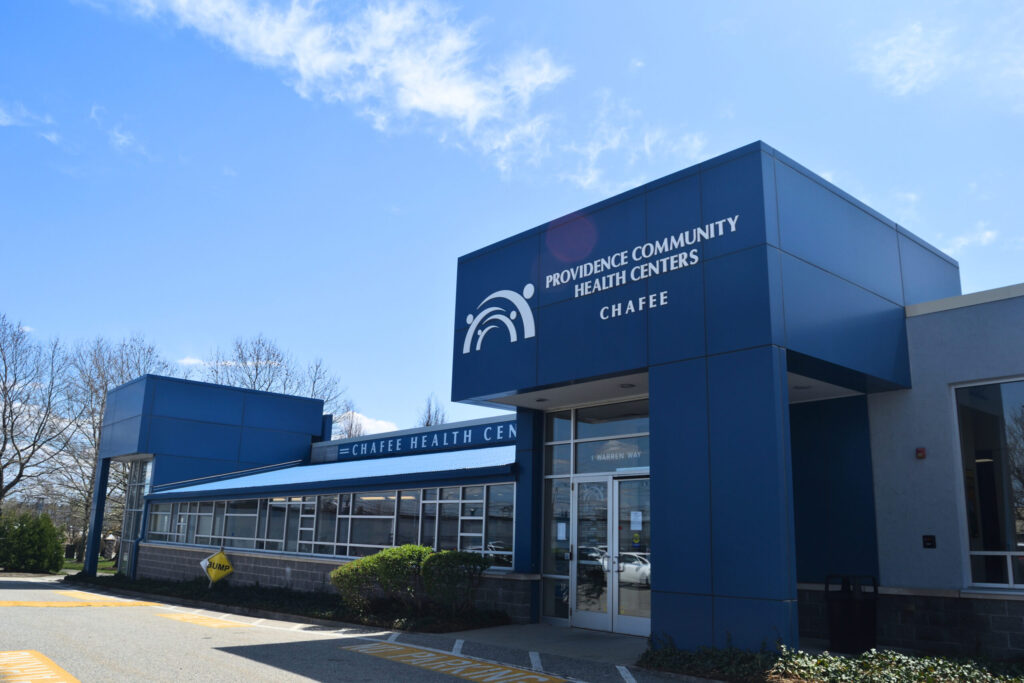
Providence Community Health Centers (PCHC) President and CEO Merrill Thomas is retiring at the end of 2026 after leading the organization for the past 25 years. According to a job listing posted on March 31, PCHC is currently looking for a new president and CEO to oversee 85,000 patients and over 500 healthcare workers.
The transition comes at a critical time for the city’s healthcare system. Rhode Island is in the middle of a primary care crisis, and federal changes are pushing thousands off their insurance plans. New state policy is looking to minimize the impact of federal cuts, but the leadership, staff and patients at local health centers are navigating an uncertain financial future.
Staffing at PCHC
When Thomas took his leadership position at PCHC in 2001, the organization had under 100 employees and served about 18,000 patients. In 25 years of growth, the organization now employs five times as many staff, operates four new health centers and serves more than a third of city residents.
“What has remained the same in my 25 years as CEO is the commitment of providers and staff to deliver quality health care,” said Thomas. “There has always been the desire to do more and better for our patients. My job was to get the resources, space, and new systems to allow us to do just that.”
Despite the organization’s overall growth, PCHC closed a location in Olneyville in 2024, citing the current shortage of primary care providers in the state. In 2025, PCHC laid off 70 employees, pointing to low Medicaid reimbursement and cuts to the 340B drug program. PCHC is planning to have a new president and CEO in place by the fall for a smooth transition between leaders as the organization faces these challenges.
“They are the same challenges facing all community health center leaders in Rhode Island: low Medicaid reimbursement rates that are not meeting rising costs, recruitment and retention of clinicians, and future cuts to Medicaid funding,” said PCHC spokesperson Brett Davey.
When he took on the position, Thomas received annual compensation of around $116,000, according to a 2002 tax filing. In 2024, the most recent tax filing available, PCHC reported paying Thomas more than $660,000—a paycheck that received criticism amid company layoffs.
“Compensation for the CEO at PCHC is set by the Board of Directors and is guided by a market survey of health care executives leading similarly-sized organizations,” said Davey to GoLocalProv.
In June of 2025, PCHC’s contract expired with staff who are part of SEIU 1199 New England, the state’s largest healthcare union. Medical assistant and union delegate Celia Ortiz said funding cuts and job losses increased workload for other staff and led to longer wait times for patients.
“PCHC has seen a lot of growth over the last few years which shows how important our services are to our state’s Medicaid population. But we have been fighting an uphill battle over funding for years,” said Ortiz. “Through our union, we have been able to push back and secure a contract that raised our wages, expanded training opportunities, gave us signing and longevity bonuses and strengthened layoff protection to create more stability for our patients.”
SEIU and PCHC agreed on a contract in December 2025, but Ortiz said the threats to funding continue to loom over PCHC.
“Now, with more Medicaid cuts, we’re losing additional key staff, and we are really concerned about the future of our clinic and how our patients will keep getting the care they need,” said Ortiz. “We’re committed to continuing to work with PCHC leadership, as long as they stay true to the organization’s core values and respect the work we do every day.”
Providence Primary Care Crisis
PCHC is the only federally qualified health center in Providence and serves patients regardless of a person’s ability to pay. But a statewide shortage of physicians, nurse practitioners and physician assistants that work in primary care is impacting the entire state.
“Rhode Island has approximately 700 primary care providers (PCP), and they serve a population of approximately 1.1 million. So if you think about it, it’s about one provider for every 1,700 people,” said Dr. Anna Matos-Mournighan, director of the graduate program in healthcare administration at Salve Regina University. “I’ve seen data points that have estimates between 25% and 50% of Rhode Island adults not having access to a primary care provider.”
Anchor Medical closed last year, which provided primary care to 25,000 patients. The practice, which operated an adult medicine office on Corliss Street, said low reimbursement rates made it “extremely difficult” to hire new physicians.
Matos-Mournighan said Rhode Island’s low rates are a major factor in the shortage, along with relatively low salaries for PCPs, burnout and many providers approaching retirement age.
“I think many primary care practices are struggling,” said Philip Chan, chief medical officer of Open Door Health, a community-based clinic in Providence with about 6,000 patients focusing on LGBTQ+ health, sexual health, and HIV/STIs. “Solutions are needed that help direct more funding to primary care, as well as reduce the administrative burden on clinics in general.”
For individuals with private employer-sponsored health insurance, primary care providers are reimbursed an average of $266 in Connecticut, $202 in Massachusetts and $188 in Rhode Island. Reimbursements are even lower for Medicare and Medicaid, and those rates have not caught up with inflation.
“We have to be able to reimburse our primary care providers, so that they can accept more Medicaid patients, and they’re not at a deficit trying to run a practice,” said Matos-Mournighan, who added that some practices are not accepting Medicaid because the rates are too low. “If you don’t have routine and timely primary care, you may delay treatment, you may not get any treatment at all, and then you’re going to use the emergency department for what you normally get at your primary care provider.”

Federal Cuts to Local Insurance
In Providence, where 45% of the population is Latino, Medicaid is critical. About 19% of Latinos in Rhode Island are enrolled in Medicaid, and 70% of PCHC’s patients fall under Medicaid.
Since the Affordable Care Act (often referred to as Obamacare) went into effect in 2014, Rhode Island greatly improved its insurance coverage for residents, with the rate of uninsured Rhode Islanders going from 10.9% in 2012 to 2.2% in 2024. However, major restrictions on Medicaid and the ACA eligibility is reversing some of that progress.
HR1, or Trump’s “Big, Beautiful Bill,” made many lawfully present immigrants ineligible for tax credits from the Affordable Care Act. The National Immigration Law Center advised individuals not to auto-renew their plans, because consumers could be stuck with a major bill if they are removed from tax benefits.
In addition, Congressional Democrats failed to save enhanced ACA tax incentives after a government shutdown in October. Now, people who purchased insurance through the Healthcare Marketplace, like HealthSource RI, are seeing their monthly premiums double. The Rhode Island Protect Our Healthcare Coalition (POHC) projects a total of 20,000 will lose their health insurance over these changes.
“Even just compared to December, there’s 10,000 less people enrolled in coverage in HealthSource Rhode Island,” said Shamus Durac, senior attorney at Rhode Island Parent Information Network (RIPIN) and co-chair of the POHC.
Starting on October 1 of this year, non-citizen access to Medicaid will be limited to lawfully permanent residents, some Cuban and Haitian entrants, COFA migrants, children and pregnant people. Starting in 2027, some recipients of Medicaid will need to prove they are working, studying, doing job training or completing community service to keep their healthcare. POHC projects another 33,000 people in RI will lose their Medicaid because of these changes.
“That’s 53,000 Rhode Islanders expected to lose coverage,” said Durac. “That would more than double the state’s existing uninsured population.”
Durac said facilities that accept patients regardless of their ability to pay, such as hospitals, the community health centers, the RI Free Clinic and Clinica Esperanza, will bear the cost of serving those without insurance.
“I can’t speak to the internal kind of financial decisions of any provider, certainly not the Providence Community Health Centers,” said Durac. “What I can say is, from our conversations with some of these providers, at the very least, we know they cannot absorb the newly uninsured patients without additional capacity that would have to come in the form of additional funding.”
As of last year, PCHC said their clinics had over 5,000 people on a waitlist for appointments. To avoid that waitlist growing even longer, state legislators are pushing for policy changes to compensate for federal cuts and attract more primary care providers.
Rhode Island Attempts to Mitigate the Crisis
In October, McKee’s Executive Office of Housing and Human Services raised Medicaid rates to match those of Medicaid. Last year, a state law prevented the federal 340B drug program from discriminating against local community health centers and hospitals. And a State Senate commission even recommended building a public medical school to build the local healthcare workforce.
“What is the plan for actually ensuring that [medical students] stay in Rhode Island?” said Matos-Mournighan. “The state has been easing credentialing requirements for foreign-trained physicians, and I’m a supporter of that as well.”
This year, The Protect Our Healthcare Coalition is supporting two bills at the state level that would attempt to make up for the loss of healthcare tax credits and invest in healthcare providers that serve uninsured individuals.
The RI Individual Market Affordability Program (H-7466 and S-2255) uses $60 million to replace federal assistance that expired in 2025 in a move that could help keep around 13,000 individuals enrolled in HealthSource RI plans. Separately, the Rhode Island Protect Our HealthCare Act of 2026 (H-8137 and S-2811) invests state funds directly into healthcare programs for uninsured individuals.
“At the end of the day, we have to increase insurance reimbursement rates for primary care and reduce administrative burden,” said Chan. “These two factors will help our primary care settings be more sustainable, increase pay for medical providers to be able to compete with neighboring states, and improve quality of life and efficiency at work.”
Mayor Brett Smiley said PCHC is “really important” to Providence residents on Medicare, Medicaid, and those that are uninsured and undocumented.
“It’s vital to the health of this community that that institution stay open,” said Smiley. “They’ve been dealt a blow by changes to federal regulations and cuts over the last couple of years. And so the City of Providence is very interested in their long-term success and will be ready to work with them to ensure their ongoing survival.”
According to PCHC’s job listing for their top leadership role, candidates must be prepared to guide the organization “through an evolving healthcare and reimbursement landscape.” New leadership will inherit a pillar of the city’s healthcare system at a critical time, especially for those most in need.
“The commitment to our patients has always—and will continue to—drive us in all our decision making,” said Thomas. “I look forward to helping the new CEO continue this advocacy for our patients and community.”
Editor’s Note: This article was corrected on 4/24 to note the contract is not with the national SEIU union, but instead SEIU New England.
Eric Halvarson is a City News Reporter at The Providence Eye.


Want to comment? Click!