



Since my wife Claudine Pépin and I arrived here in 2011, I have come to realize that per capita, Providence is one the best food towns in the country.
This is the result of a number of factors, including: great agriculture and farmers, skilled chefs with a farm-to-table ethos and authentic cultural connections, a steady supply of new talent from Johnson & Wales University, and perhaps most importantly, a local clientele that values good quality food.
Even before Roger Williams first set foot here, the Narragansett Bay and surrounding lands have been a remarkable place to source and grow food. Indigenous populations were cultivating and trading with settlers long before the colonists had any idea what they were doing. What followed decades later were generations of family farms such as the Young Family Farm (in Little Compton), Barden Family Orchard (in North Scituate), Schartner Farms (in Exeter), Confreda Farms (in Hope), Blackbird Farm (in Smithfield), Wright’s Dairy (in North Smithfield), and so many others. These farmers sowed the seeds of an agricultural tradition that continues today with younger family farms like Wild Harmony (in Exeter), that are committed to stewardship of the land. Add to that our coastal access with fishers, oyster growers, and other aquaculture farmers, who know these waters the way a great chef knows a kitchen.
But what really makes Providence special – and this can’t be mapped on a farm-to-table chart – is that we are a small city where everyone knows someone. I personally know farmers, fishers, oyster growers, and more than a few chefs. That kind of intimacy between food producers and the food community is extraordinarily rare, and it can’t be manufactured. It is a secret ingredient that very few other cities can access.
Providence has also built a remarkable institutional ecosystem around food. The Southside Community Land Trust has been doing critical work, creating community and urban gardens since 1981, and the RI Community Food Bank has been addressing food insecurity since 1982. Johnson & Wales University’s culinary program has been a cornerstone of the community since 1974. And, critically, many JWU graduates choose to stay. When they look around at other great food cities, they see that Providence offers them reasonable rent, decent wages, and a community that genuinely cares about food. Chefs like Champe Speidel, Derek Wagner, Ben Sukle, Matt Varga and Beau Vestal didn’t just pass through — they planted roots and transformed the dining landscape. Al Forno, Blue Point, and New Rivers put Providence on the national map decades ago, and restaurants like Oberlin, Gracie’s, Nick’s on Broadway and Persimmon carry that torch today. And, unlike Boston and New York, you can easily get a table at these wonderful restaurants!
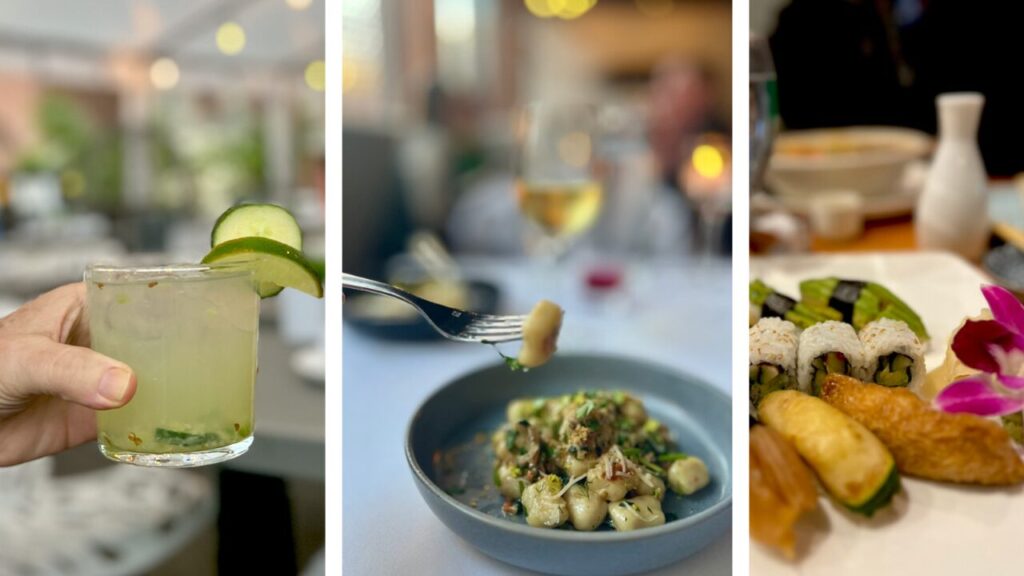
Perhaps what moves me most though, is the range of cuisines. The good people of Providence love food, and keep good restaurants in business. From Camille’s on Federal Hill, which opened in 1914 (and like, Constantino’s Venda Ravioli, embodies the deep Italian love of food that has shaped this city’s soul), to Olneyville N.Y. System’s hot wieners, Dune Brothers exceptional seafood, Los Andes’ Peruvian, O Dinis’s classic Portuguese fare, and Maria Meza’s outstanding Mexican at Dolores and El Rancho Grande, Providence restaurants have excellent, authentic cuisine. Providence has always had a reputation for welcoming immigrants and subsequently absorbing their culinary traditions—not as novelty, but as nourishment.
This is not an accident; it is a civic value. Organizations including Southside Community Land Trust, Farm Fresh Rhode Island, Rhode Island Community Food Bank, Amos House, Hope & Main, and most importantly the RI Food Policy Council have manifested the opportunity for engagement and support for all things food. Johnson & Wales Bachelor of Science in Sustainable Food Systems is a forward-thinking approach to the power of and passion for food to make the world a better place. The culinary training program at CHOP (Culinary Hub of Providence) through the Genesis Center offers workforce development that transforms lives. All that hard work reflects something deep in the character of this city. Perhaps rooted in Roger Williams’ founding commitment to conscience and community, Providence keeps pushing toward the same essential question: Who else gets a seat at the table?
This question is also at the heart of the Jacques Pépin Foundation, founded right here in Rhode Island. When Jacques and I talked about what the Foundation should do, he was characteristically direct: “By learning to cook, people can reclaim their lives. We are all equal in the eyes of the stove.”
He wanted to “teach people how to fish,” helping those who were re-entering society after incarceration reclaim their lives through cooking. Learning to cook isn’t just a job skill; it is a vehicle for personal growth, better health, economic resilience, and dignity. The JPF supports over 200 organizations across the country, from Anchorage to Miami, with more than two million dollars in grants. Right here in Providence, we support CHOP, Farm Fresh RI, Beautiful Day, and Amos House.
This is Providence. It’s not just the restaurants, the farms, and the chefs, but also thousands of quiet, determined people building a food system rooted in equity, dignity, community, and joy.
We are all equal in the eyes of the stove. And in Providence, we just might believe it more than anywhere else.
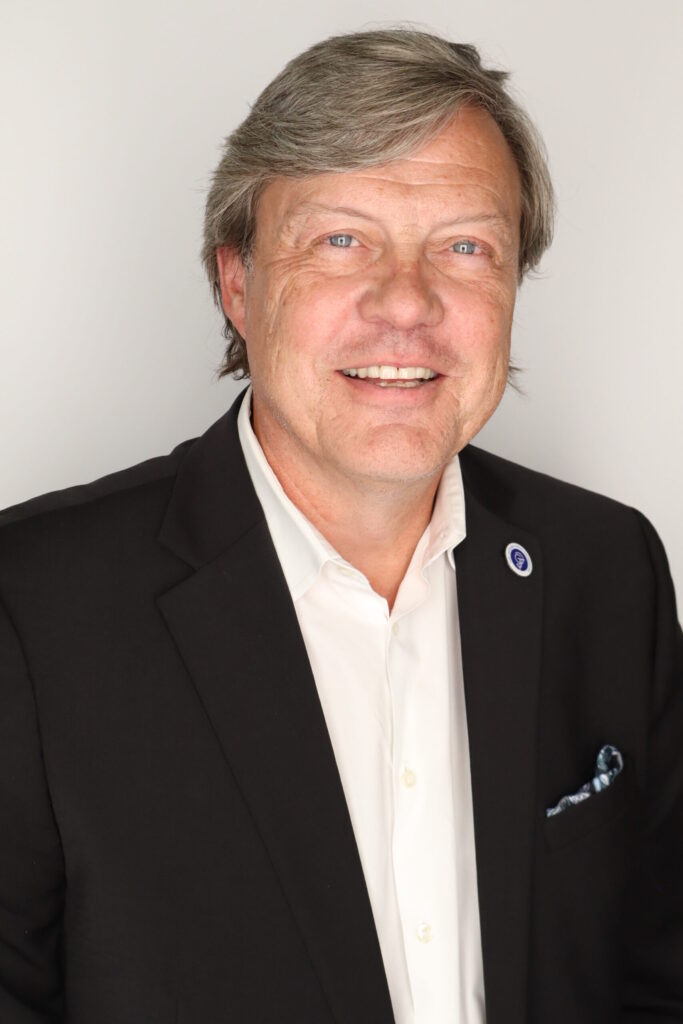
Dr. Rollie Wesen is a Chef, Professor of culinary arts and food studies at Johnson & Wales University, and the co-founder and Executive Director of the Jacques Pépin Foundation, supporting accessible culinary education for all. Rollie and his wife Claudine Pépin live, cook, and thrive in Barrington, RI.
He will be the featured speaker at the Providence Eye and Jacques Pepin Foundation’s upcoming event, “Providence: A Culinary Gem in the Tiniest State,” on Monday, May 4, at Farm Fresh Rhode Island. More information and tickets are available here.


Want to comment? Click!