





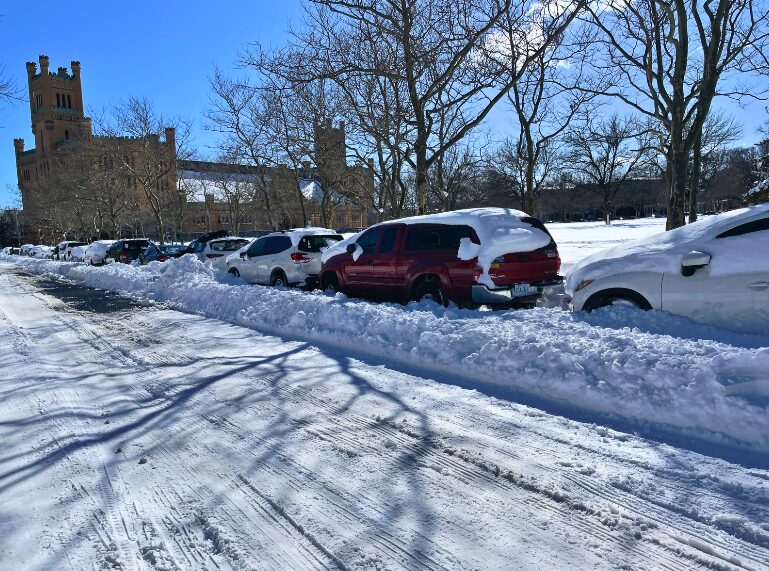
Last month’s blizzard dropped a record 37 inches of snow in the capital streets, and City leaders spent far beyond this year’s budget to clear the streets.
The City of Providence paid $3.8 million dollars to handle the record-breaking Blizzard of 2026 in February, surpassing this year’s total snow removal budget of a whopping $2.2 million. In total, the City has spent close to $7 million on snow response this winter—that’s more than the past three winters combined. With the climate crisis causing more frequent and intense winter storms, Providence is investing in equipment and asking for federal support.
City Spending Adds Up After Record Snowfall
Officials used 70 city-owned plow trucks and 40 private pieces of equipment to move snow from essential infrastructure, including major travel corridors and roads leading to hospitals or schools. This historic snowfall pushed the existing system beyond capacity.
“The City has relied on smaller plow trucks as they have proven effective for navigating our narrow streets and have handled the smaller snow volumes we have experienced in past winters,” said City Spokesperson Josh Estrella. “However, this blizzard brought snow levels that exceeded the height of our plow blades, causing temporary operation pauses because trucks could not safely push that volume of snow.”
To bridge the gap, the City contracted with vendors to provide large vehicles such as front loaders, industrial snow blowers and dump trucks.
Providence contracted those snow removal vehicles from 17 private vendors, only one more business than last year. However, the City used ten more pieces of equipment from private sources than in 2025. The city pays snow removal contractors at least $69 an hour for their services, but large loaders can earn an hourly rate up to $163. Vendors earn additional pay between $9 and $42 per hour depending on what accessories like plows and material spreaders are attached to their vehicles.
And when plows hit potholes or curbs, drivers break plow blades and can ruin entire trucks on the job. The “wear and tear” for City vehicles and private vendors alike can cost thousands of dollars
“I’ve never seen a nightmare like that,” said a private vendor who requested to stay anonymous. “I’m stuck here with all these bills.”
The spending also extended to materials and services to clear the streets. The City spent approximately $107,838 on salt and sand for the recent storms, and towed 447 vehicles while clearing the streets.
The final price for the blizzard includes overtime for multiple departments including police and emergency services, repairs and private vendors doing snow removal and snow hauling.
Each winter’s price tag is getting harder to predict, and harder to afford, as climate change increases the frequency and intensity of extreme weather.
Climate Crisis Changes the Price of Snowfall
Since 2008, six different winter storms have caused over $1 billion dollars in damages in Rhode Island.
Studies show that even in places that receive lower average snowfalls and warmer winters, the occasional extreme snowstorm is likely to be even more intense. And winter storms are typically some of the costliest natural disasters. These sporadic storms leave Providence officials unable to forecast for a tight budget.
It’s been ten years since “Snowmaggeddon” dropped 60 inches of snow in Providence over two months. In 2015, the City set aside $1.6 million for snow removal but spent $2.4 million dollars to handle the storm impacts, leaving Providence 50 percent over its snow removal budget. The costs have increased exponentially since then.
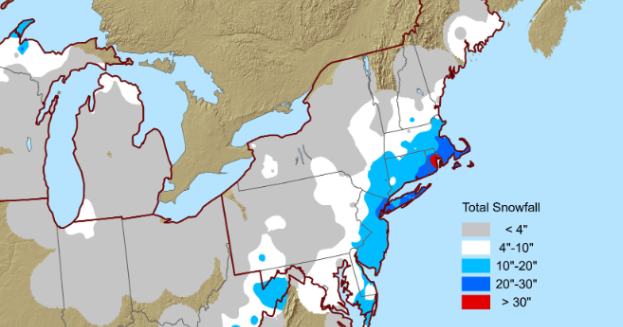
The nearby city of Worcester, with a similar population at a higher elevation, averages twice as much snow as Providence. To match the snowfall, Worcester’s snow removal budget is more than double Providence’s at $6 million dollars.
In 2024, students at Worcester Polytechnic Institute in collaboration with Worcester’s Department of Sustainability and Resilience studied how the climate crisis will change the city’s extreme winter weather. Worcester’s average winter temperature increased from 28.6 degrees Fahrenheit in 2000 to 33.5 degrees in 2024. This warmer air holds more moisture and leads to flooding. When all the moisture meets cold air, the snowfall can be extreme.
“Snowfall is declining overall, but warming temperatures could lead to more intense snowstorms when snow does occur,” said the report. “The variability and intensity of winter storms, influenced by phenomena like the polar vortex and El Niño-Southern Oscillation, create challenges for forecasting and preparedness.”
Planning to Pay the Price
Rhode Island’s federal delegation urged President Trump to allow the state to use some of the $9 billion dollars in the FEMA’s Disaster Relief Fund. The state previously received funding for the cleanup of “Snowmaggedon” in 2015 and the major snow storms in 2022.
“We were able to receive millions of dollars of back from the federal government,” said Governor Dan McKee. “But that’s not going to happen overnight. That took well over a year to actually go through the process.”
In Providence, City officials are meeting with the Rhode Island Emergency Management Agency in the coming weeks to prepare to apply for federal assistance. On a municipal level, Mayor Smiley’s office said they are investing in future snow removal improvements.
“These investments include the recent expansion of the snow parking ban, which was in effect throughout the last two major storms, enabling snow removal operations to be completed effectively,” said Estrella. “The City has also invested in new plowing trucks and snow removal equipment that will be delivered and placed into service ahead of the next winter season.”
Eric Halvarson is a City News Reporter for The Providence Eye.


Want to comment? Click!