






Providence’s public schools are a big investment. The City is contributing over $149 million to education this year—almost one-fifth of the entire city budget. But for the first time since 2019, local authorities will have control over how it’s spent.
On July 1, the state abruptly ended its takeover of the Providence Public School District (PPSD) with less than a month and half’s notice. The next day, Providence City Council voted to approve a new plan to streamline procurement for the school district, moving the threshold for requiring Board of Contract and Supply (BOCS) approval on purchases from $10,000 up to $500,000 in most cases. It’s the result of the first major public negotiations between the Mayor, City Council and the School Board on how to monitor their own halls again.
School Board, Mayor and City Council Agree to Introduce Tiered Procurement for PPSD
Just two days after a memo leaked from the Rhode Island Department of Education outlining a 2027 return, Education Commissioner Angelica Infante-Green changed course and announced the six-year takeover would end on July 1. After years of getting the hall pass on ending the state takeover, even the most vocal groups pushing for a return to local control were caught off guard by the sudden change. At the time of the announcement, Ward 2 City Councilor Jill Davidson was chairing a working group that met five times between March and June 2026 to prepare for the transition.
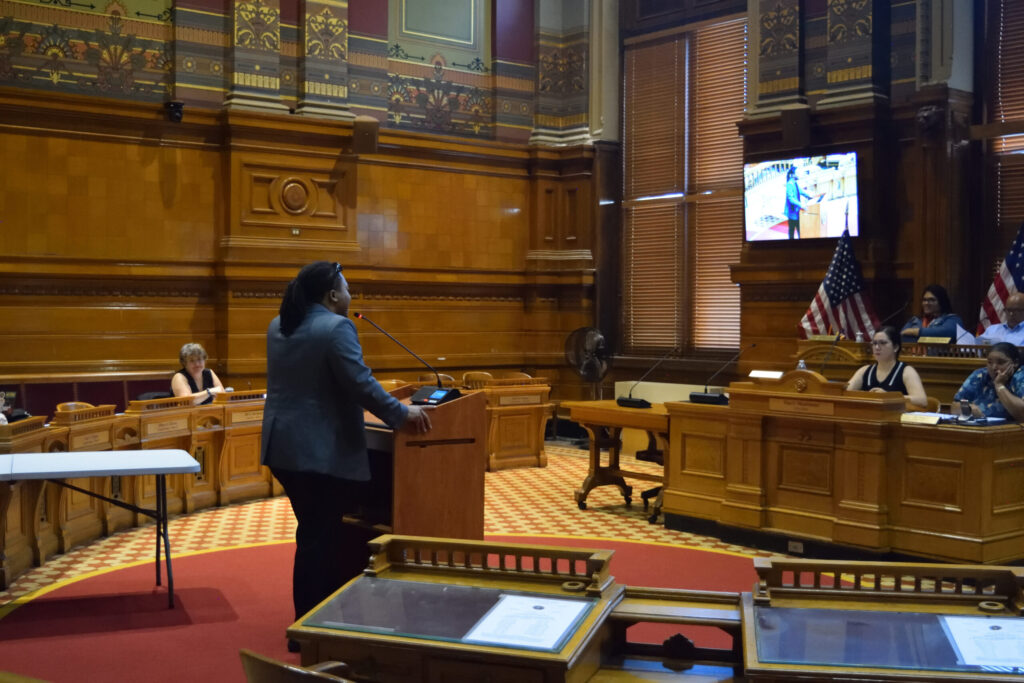
“By the second meeting, the group had identified procurement as the challenge that we wanted to solve,” said Davidson in a committee meeting on July 13. “We figured out within the limits of both state law and the City Charter what we could get done to make a meaningful and substantive difference.”
According to the John Hopkins report that led to the state takeover, previously any school district purchase request for more than $5,000 was voted on by the City Council and the School Board. Requiring multiple approval processes for purchases was a “nightmare” according to the report, limiting financial capability and drowning the district in paperwork. This was one of the factors that created a school district “overburdened with multiple, overlapping sources of governance and bureaucracy with no clear domains of authority and very little scope for transformative change.”
Under current city procurement laws, PPSD purchases of supplies worth more than $10,000 and construction for more than $20,000 would need to be reviewed by BOCS. A PPSD spokesperson said since the takeover ended, “the District has already been required to seek BOCS approval for specialized curriculum and support for students receiving special education.”
This new proposal maintains the basic structure for procurement that existed before the state takeover, but raises the bar for review to multi-year contracts, sole-source contracts and contracts worth more than $500,000.
Supporters of the agreement said it grants the school department flexibility without changing the city’s Charter and maintains a competitive bidding process required by state law. Providence School Board president Ty’Relle Stephens, who supports allowing the School Board to have full autonomy over future school contracts, said the proposal is a “strong compromise” after navigating “difficult” politics to control city money.
“We’ve been under state control for six and a half years, and we know that there’s been battles around funding over the past couple of years,” said Stephens. “I think that the City just wants to make sure that, over the next year or two, that they’re able to have trust in the [School Board finance] committee and in the [school] administration, that we are going to be good stewards of taxpayers dollars.”
In Fiscal Year 2025, PPSD executed 459 purchases valued over the existing $10,000 threshold for approval—but under the new proposal, only 19 of those 459 procurements would be subject to review by the BOCS. The largest deals apply to things like busing arrangements, purchasing food services and signing contracts with school staff. If this proposal passes City Council on Thursday night, then the School Board Finance committee will be tasked with vetting the majority of the less expensive purchases.
“There should not be a layer of bureaucracy when trying to purchase toilet paper and pens and pencils and notebooks for kids,” said Stephens. “But I do believe in the short term, we should have an extra set of eyes on these big ticket contracts.”
Some testimony opposed the new arrangement over that exact concern: more bureaucracy. Melissa Hughes, a PPSD parent and member of the working group that created the proposal, criticized the agreement for allowing the Mayor to appoint a purchasing agent for the school department. This agent would be voted on by the City Council and would have final authority over school contracts.
“The ordinance creates a slightly different, duplicative approval process that mirrors pre-intervention systems—supplanting what would be school board final authority in any other Rhode Island district with a Mayoral-appointed, approved-by-City Council purchasing agent for most purchases under $500,000,” said Hughes, who served on the Providence School Board in 2024 and 2025. “It still adds new bureaucratic layers without increasing any value to students or enhancing community transparency.”
Providence Schools Superintendent Javier Montañez and RIDE Deputy Commissioner Drew Echelson also wrote letters echoing Hughes. Echelson wrote that no other Rhode Island school district requires similar approval from a BOCS, and he worried purchase times could slow back to pre-intervention levels, when it took approximately 97 days from beginning the procurement process to actually delivering goods. Superintendent Montañez said the district cut that time in half, to 50 days, under the takeover. Montañez called on the City to partner closely with PPSD to select a procurement agent and only require BOCS approval for contracts worth $10 million or more.
“We want to be clear: we are not asking to operate without oversight. Unlike other city departments, the District already has a Finance Committee and a School Board, both of which conduct public reviews of contracts before they are approved,” wrote Montañez, who said prior to the takeover, procurement delays forced PPSD to lose grant funding after missing deadlines. “That is money our students should have received and did not, because of a process that six years of a functioning alternative has now proven unnecessary. We cannot let that happen again.”
Davidson downplayed the idea that the new agent could slow down or disrupt procurement, even suggesting that someone from PPSD be chosen if the Mayor is open to it.
“It is a requirement, but we’re trying not to make it an impediment,” said Davidson, who draws upon her 19 years of experience as a PPSD parent of three kids to find a way forward after the state takeover. “We’re suffering from some historical distrust, and I’m trying to lower the anxiety about that.”
To satisfy laws around changing the powers of the Board of Contract and Supply, the City Council will vote once more on the bill on Thursday, July 16. The measure needs the support of two-thirds of the chamber to pass.
Eric Halvarson is a City News Reporter for The Providence Eye.


Want to comment? Click!