


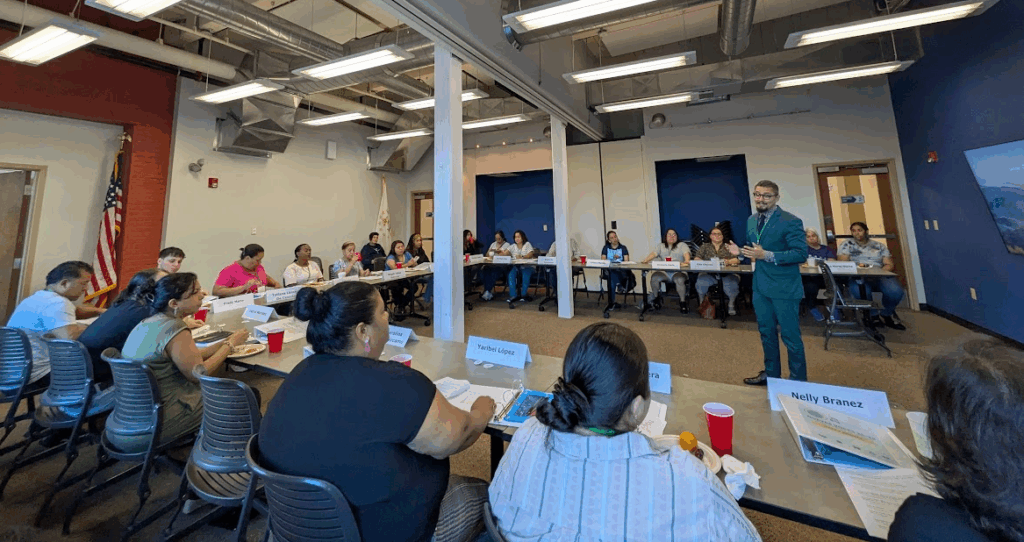
It’s a balmy 80 degrees outside on an August afternoon on Blackstone Boulevard. On the same day, at the same time, it’s an intolerable 93 degrees at St. Joseph’s Hospital. According to the Rhode Island Department of Environmental Management (RIDEM), people within the same city can be impacted by extreme weather very differently, with residents experiencing as much as a 13 degree difference in temperature between the coolest and warmest neighborhoods in Providence. Residents who live in neighborhoods like Olneyville and South Providence are at greater risk of flood damage and intense heat due to sparser tree cover, proximity to waterways and pollution, and inadequate infrastructure. However, it does not have to stay that way.
Confronting complex and interconnected challenges like climate change, public health, city planning, and transportation should depend on the active inclusion of our city’s most at-risk residents. The Woonasquatucket River Watershed Council (WRWC) champions this inclusive approach through its community action programs. While WRWC may be best known for restoring and maintaining the Woonasquatucket Greenway — a seven mile urban bike path and 52 acres of land that links Providence, Johnston, and North Smithfield — they are also dedicated to engaging and empowering residents who live in climate-vulnerable neighborhoods along the watershed.
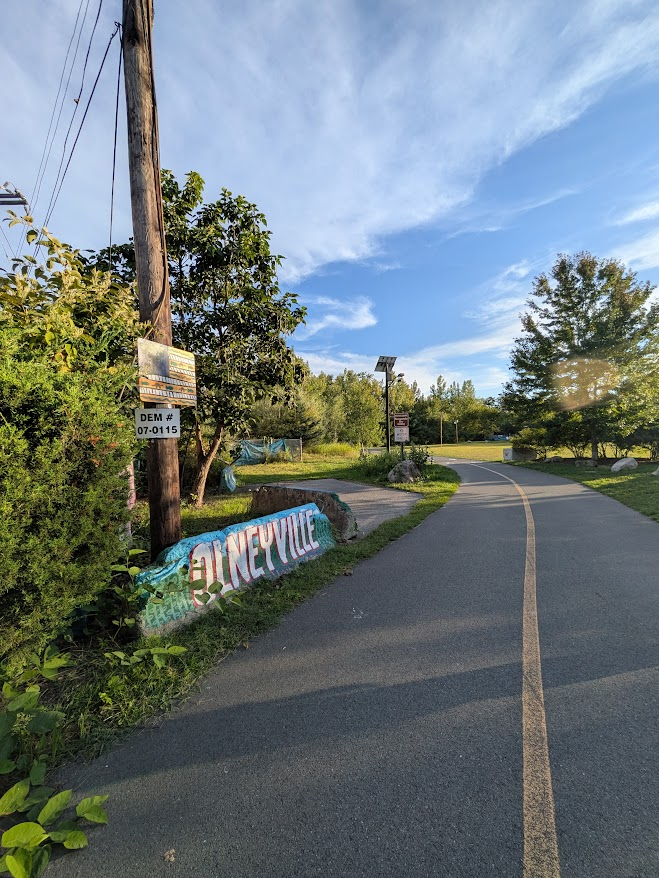
WRWC’s signature community engagement program is Nuevas Voces, a nine-month bilingual initiative that provides participants with environmental education and training to become policy advocates in their communities. “It’s important to engage vulnerable residents because health, environmental justice, and access to nature are so connected,” says WRWC Executive Director Alicia Lehrer. Through participating, graduates are equipped to influence the decisions and policies affecting their communities, and ensure their voices are heard in every level of government.
“Since 2020, Nuevas Voces has been teaching our neighbors the basics of climate change, but it also provides them with advocacy skills to speak up for themselves,” says WRWC’s Director of Community Action, David Morales. This empowerment has a lasting effect. “Many Nuevas Voces alumni become members, staff, or leaders in a wide range of organizations and initiatives,” says Morales. “They are actively involved in conversations that are shaping their quality of life, from transit discussions to neighborhood planning like the street updates being proposed for Olneyville.”
Fifth Cohort of Nuevas Voces Begins
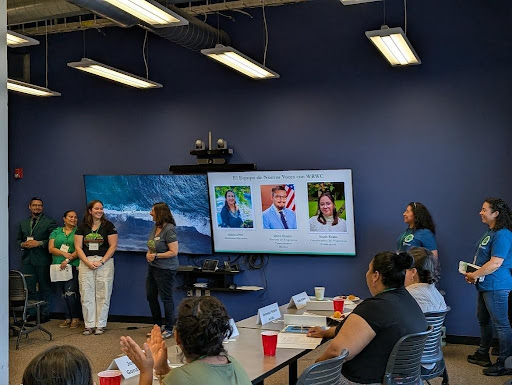
In early September, Nuevas Voces kicked off its fifth cohort. The energy in the room was palpable from staff, alumni, and new students. Among the new students was Nelly, who is eager to learn about environmental issues and how she can leverage resources to help her family. Sayda Arriaza, a Nuevas Voces graduate, has returned to the program as one of three cofacilitators. She credits the program for building her confidence and leadership skills, noting that it has given her the tools to “advocate for my family in so many practical ways.”
Arriaza shared a powerful experience during her time in the program when she visited a museum exhibit that rang a bell every time a species became extinct. She shared that this moment solidified her understanding of the deep connection between nature and people: “It was so powerful to realize this is happening all around us — because if these animals are going extinct, what is that saying about our environment? It made me want to do something about it.”
A few minutes before orientation began, WRWC staff were frantically running around the room trying to find extra chairs and binders. “More people showed up than we had counted on our sign-ups!” said Morales. How does a program held on a weekday evening attract so much interest? Morales credits intentionally providing a fully bilingual program, offering childcare services, as well as food and refreshments. These thoughtful yet highly practical accommodations, in addition to a compelling curriculum, are a key ingredient for successful engagement with working parents and residents.
Nuevas Voces began during the beginning of the COVID-19 pandemic, one of the most challenging times in recent years. Five years later, the program is once again navigating difficult circumstances: a federal administration that opposes funding climate change initiatives and is focused on reducing resources for diverse communities. As a result, organizations like WRWC are faced with less federal funding and increased competition for grants, donations, and local funding.
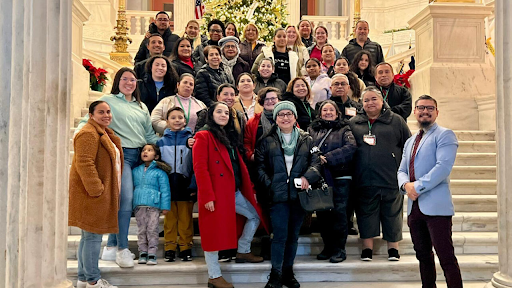
Despite the financial uncertainty, Lehrer and Morales are committed to the Nuevas Voces’ mission and have unwavering optimism of its tangible value to the community. Nuevas Voces has facilitated the development of around 80 graduates in just five short years. Regardless of how the program navigates current challenges at the federal level. this work will continue to have an enduring impact in Providence, building more resilient and inclusive neighborhoods from the ground up.
For more information about the Woonasquatucket River Watershed Council and Nuevas Voces, visit https://wrwc.org/ or contact David Morales at [email protected].
Amber Ma lives on the west end of Providence with her husband and two cats. She loves gardening, shopping at farmers markets, and cooking with local and homegrown ingredients. She is also passionate about transit, sustainability, and pollinators. She is a volunteer at the Community Cat Center in Johnston. She and her husband went car-free in 2022 and are always exploring new restaurants in the city by foot, bike, or bus.


Want to comment? Click!