




I came to Providence eight and a half years ago to complete my masters in epidemiology at Brown University. I continue to work there conducting research in overdose prevention and harm reduction. Though I have many critiques about Brown University, my life is intertwined with the university. Following the December 13 mass shooting that resulted in the deaths of Ella Cook and Mukhammad Aziz Umurzakov, and injuries to nine additional students, I have cycled between numbness, shock, sadness, horror, grief, rage and confusion. As friends and co-workers share various kinds of proximity to the shooting, I continue to be astounded by all of the disparate impacts of this event.
One narrative that has emerged from the shooting, understandably, is that there were not enough cameras on campus. I have seen people surmise that with enough surveillance, this may have not happened. Similarly, people are celebrating the Flock cameras that were used to locate the shooter. In all of this, we are seeing calls for more cameras and more surveillance.
This will not make us safer.
We should remember that, even though there is now evidence that the suspect had been in the building many times, and that community members did report the suspect to security, the shooting still happened. This makes me wonder, does surveillance make us safer?
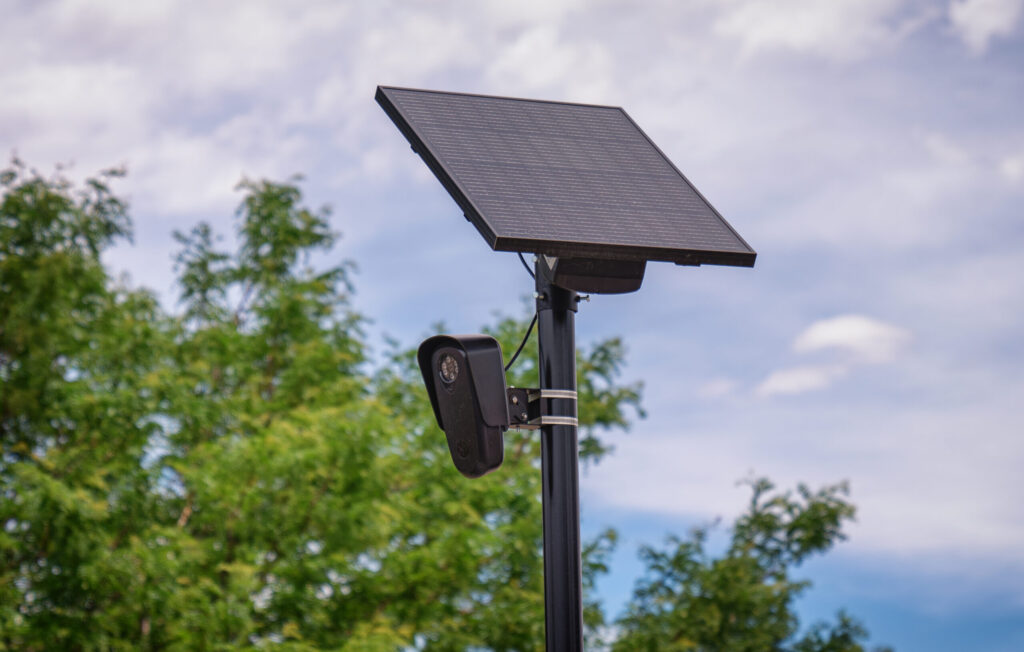
Once the shooter was identified, law enforcement used Flock cameras to track the vehicle across state lines. For those who are unfamiliar, Flock, a brand of automated license plate recognition (ALPR) cameras, are able to pick up a wealth of information about your car. They use artificial intelligence to get information about your car’s make, model, color and even bumper stickers. Organizations like the Rhode Island ACLU and communities like Bristol, Warren, and Newport, have fought, or are currently fighting, their installation because of the massive invasion of privacy. In Massachusetts, a number of cities including Cambridge and Brookline, have paused their contacts with Flock. Some of the reasons cited are the ways Flock and other ALPR cameras have been used by ICE to kidnap our neighbors, and have also been used to track pregnant people seeking abortion services across state lines. In just the first half of 2025 in Massachusetts, there were nearly 1,500 searches mentioning “immigration” or “ICE” within the Flock system.
As someone who cares about our community’s safety and is simultaneously horrified by this mass shooting and the use of the surveillance state to kidnap our neighbors, I worry about the proliferation of Flock and other ALRP cameras. In a world filled with violence, and in that same world where our government is itself a violent actor, we are required to come up with solutions that don’t endanger members of our communities.
More cameras would not have saved the lives of Ella Cook or Mukhamad Aziz Umurzakov. They would not have protected the nine other students from being shot. And they would not have spared our city from suffering in all the ways we have and we will continue to as we heal from this tragedy. Installing more cameras will exacerbate the over-policing in our cities and accelerate the detention of our immigrant neighbors.
In the wake of the Brown shooting, I can foresee Mayor Brett Smiley – a proponent of these cameras – and other members of the Providence community, pushing for more ALRP cameras. Despite massive civil rights concerns, and at a time when our federal government is using surveillance to commit unspeakable horror in our community, Rhode Island already has at least 193 of these cameras. Taxpayers pay for these cameras even though we do not know where they are placed or how the data is used. I don’t think we can write off the tremendous ethical costs of these cameras for the possibility that they might help us track down a suspect in a case sometime in the future.
I wish that there was a real resolution in this particular tragedy. I wish that the United States had systems that would bring justice and healing for our community. As we continue to reckon with these events and envision how to stop large scale violent events in the future, we cannot use blunt tools that lead to violence themselves.
Jackie Goldman (they/them) is a Brown University alum (ScM 2019) and current staff member in the School of Public Health.


Want to comment? Click!