



Providence is speeding towards approving a Comprehensive Plan that envisions the city’s coming decade. Just reading the Department of Planning’s current draft is daunting. Nine key areas, over 173 pages, delineate aspirations and encouragements, covering issues of sustainability, the economy, the built environment, housing, transportation, arts and culture, public spaces, land use, and city services. The plan will affect the lives of everyone in Providence over the next ten years.
Housing
Housing has emerged as a central focus of the plan, starting with zoning changes that allow higher density in almost all neighborhoods. Although the housing shortage is a national problem, Providence has its own unique problems, owing in no small part to its stock of overwhelmingly older housing.
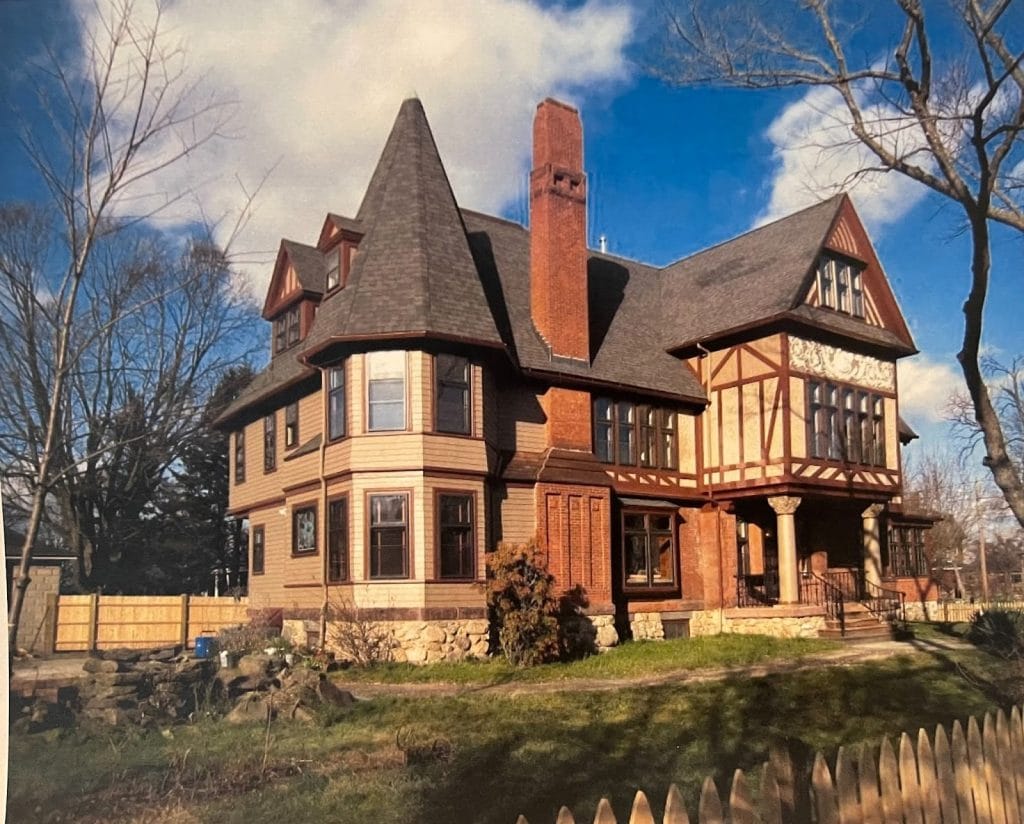
The Providence Preservation Society (PPS) spoke out immediately after the Plan was released, advocating for more protections for historic areas of the city, putting local and federal historic designations on equal footing. Buildings in local historic districts, in predominantly white and affluent neighborhoods, are currently more protected than federal districts, which are found more widely over the city. According to PPS, “Neighborhoods listed in the National Register include triple-deckers and other multi-family dwellings built in the 1890s and early 1900s that housed Providence’s immigrant communities in Smith Hill; the beloved Pine Street Historic District in Upper South Providence; 19th-century mills and mill housing in Wanskuck and Olneyville; and one of the city’s first historic suburbs in the Summit neighborhood, among others.” (See the PVD Eye’s article on historic districts)
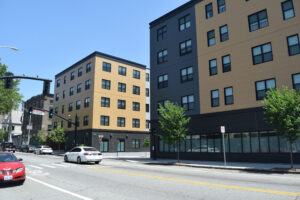
PPS also advocated slowing down demolitions and adapting existing buildings for new use. It advocated for an “advisory design review committee composed of urban design and preservation professionals” to “ensure that the next generation of Providence’s building stock lives up to our historic fabric.” The question of a separate committee to review design was discussed recently in the Providence Journal where Antonia Noori Fazan lists criticisms associated with new buildings all over the city that look like boxes, “podium-style buildings, so named because they consist of a steel or concrete podium topped with wood-frame construction.” Some critics say that a city-wide review committee would meet resistance from builders. According to Dylan Conley, an attorney who accompanies developers through approval processes that often get contentious, “If you try to build anything, people will try to kill you.” Such conflict could be lessened through mandated, city-wide design standards.
Seth Zeren, a local developer with Armory Management, has called for greater density in his article, Getting Serious about Providence’s Housing Crisis. He considers the PPS suggestions useful, but insufficient to address the housing problem. The city is way behind in terms of building; “It’s past time to embrace change, let people build, and make room for everyone.”
City Council’s Amendments
Despite the need, not everyone agrees on the procedures to build quickly and in greater numbers. In addition to the questions of density, design review, and demolition, environmental justice advocates have articulated the need for changes at the Port of Providence, and others have been vocal about transportation. Three open hearings and hundreds of emails and phone calls have resulted in amendments to the Plan offered by City Councilors. These amendments and potentially, others, are up for discussion at the last open public hearing to be held tonight,October 16 at 5:30 pm in the Council Chambers at City Hall. Proposed Amendments to the Plan include the following:
- Strengthening steps toward eliminating or reducing minimum parking regulations.
- Work toward inclusionary zoning, which “increases the availability of affordable housing, promotes mixed communities, and helps combat gentrification.”
- “new protections to prohibit any new heavy polluters from operating in and around the Prot/Maritime Industrial District.”
- “ensure city policies addressing homelessness and homeless encampments follow the guidelines outlined by the US Interagency on Homelessness.”
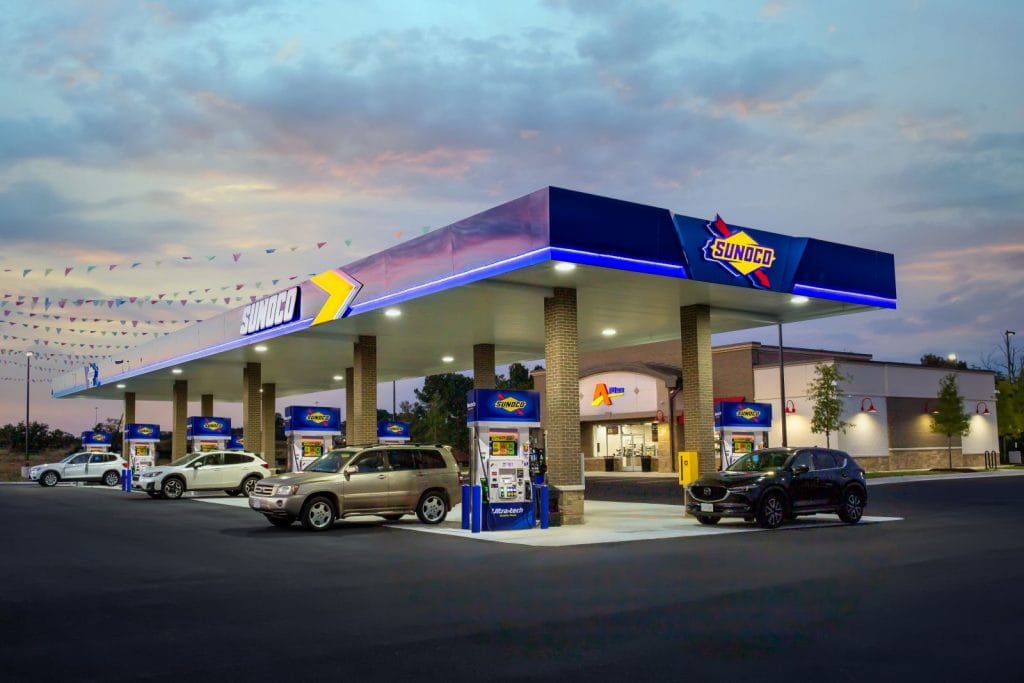
- No new gas stations to be built in Providence
- new housing to “reflect the character and aesthetic of every Providence neighborhood.” via design review.
(A complete list of amendments can be found here. See this link for the Comprehensive Plan draft, with wording marked for changes.) Residents need to contact their Councilpeople about the Comp Plan and the proposed amendments as the City Council will be voting on it in the coming weeks.
The City Plan Commission’s Where the Action Will Be
Even while the new Plan is being drafted and approved, building goes on. In general, if real estate development projects that meets city building guidelines are proposed , they are approved directed by the Planning Department. But, if developers want to waive certain restrictions, or want to build higher than is normally allowed, they must present their plans to the City Plan Commission (CPC).
Residents can find out about any specific project via the CPC’s YouTube channel where all committee meetings are posted. According to Noel Sanchez, both a builder and member of the CPC, the Commission is where the public has the “opportunity to meet the developer, and often, the developer’s lawyers.” It oversees negotiations where developers who seek permission for any variance, an extra story, fewer parking spaces, or modified lot size, can be granted or denied. The public can be part of this discussion in which “incentives” are routinely used to bring together developers, the city, and the public, where compromise is possible.
More Advocacy
Being present, however, is not always the same as being heard. Neighborhood groups are one way of focusing and enhancing opinion. Those neighborhoods expecting the most new construction are likely to have active neighborhood groups. The City of Providence website lists 16 such groups, some of which have Facebook pages or websites. Although the information on the city site is not all current, it offers a good starting point.
Doug Victor an activist in the south side,, reflects on the city’s history with redlining and FHA mortgages in the building boom of the postwar period, Interstate 95’s construction cutting through Providence neighborhoods in the late 50s and 60s, and then urban renewal as a part of President Johnson’s “New Society”. Changes were seen as progress then, but they had devastating effects on many who were displaced from their homes.. He is concerned that the new Comprehensive Plan will follow in those footsteps. Victor says, “Get ready for a development ride like we’ve never seen before.”
Whole swaths of neighborhoods are not likely to be flattened as a result of the Comprehensive Plan. But there will undoubtedly be many new proposals to build that will face opposition. The advocacy of neighborhood groups will be invaluable in reviewing proposed plans. (See the director of the West Broadway Neighborhood Association, Kari Lang’s assessment of the Comprehensive Plan.) and City Councilors have important leadership to exert. Everyone has their own vision of a beautiful and well-run city. Making a success out of the inevitable changes coming to city housing and other development in the next decade calls for good government, cooperative builders, and an involved, informed, and vigilant public.
Roseanne Camacho is a retired educator who came to Providence from the South for graduate school. She has a Ph.D. in American Civilization from Brown University, having taught students from eighth grade to graduate school. She is active in the Friends of Knight Memorial Library, the Community Library of Providence, and lives in Elmwood.


Want to comment? Click!