





In the exhibition GO ‘HEAD, FIX YOU A PLATE, Jazzmen Lee-Johnson echoes and extends [the] concept [of home] by conjuring a spiritual geography…that binds the domestic, the external, and the ancestral.
– Chris Roberts, from the guide to the exhibit, Go ‘Head, Fix You A Plate
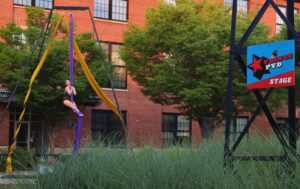
The second floor of AS220, The Aborn Gallery, is on Empire Street, just a short flight up from the ground, in the middle of Downcity PVD. Despite being in the center of downtown life, from now through September 27, the Aborn becomes a sacred space, the home of an extraordinary exhibit that might take you back to your roots — whatever they may be — or make you long for a home that you can’t claim.
With Go ‘Head, Fix You A Plate, home, specifically Jazzmen Lee-Johnson’s home, becomes the heart of a journey. Alongside co-curator Persephone Allen, Lee-Johnson and collaborating artists Becci Davis, Jordan Seaberry, and Dominique Sindayiganza, reveal layered stories of Black home life, building on and contributing to the collective memory of a people. What does home signify culturally and what does it mean in the most personal and particular? The work goes beyond nostalgia, exploring “the universal need for spaces of self-expression, cultural tradition, pleasure, rest, and dreaming, while reckoning with the complexity of how to be at home in the United States amidst inherited and lived experiences of racism, violence, oppression, and incarceration.”
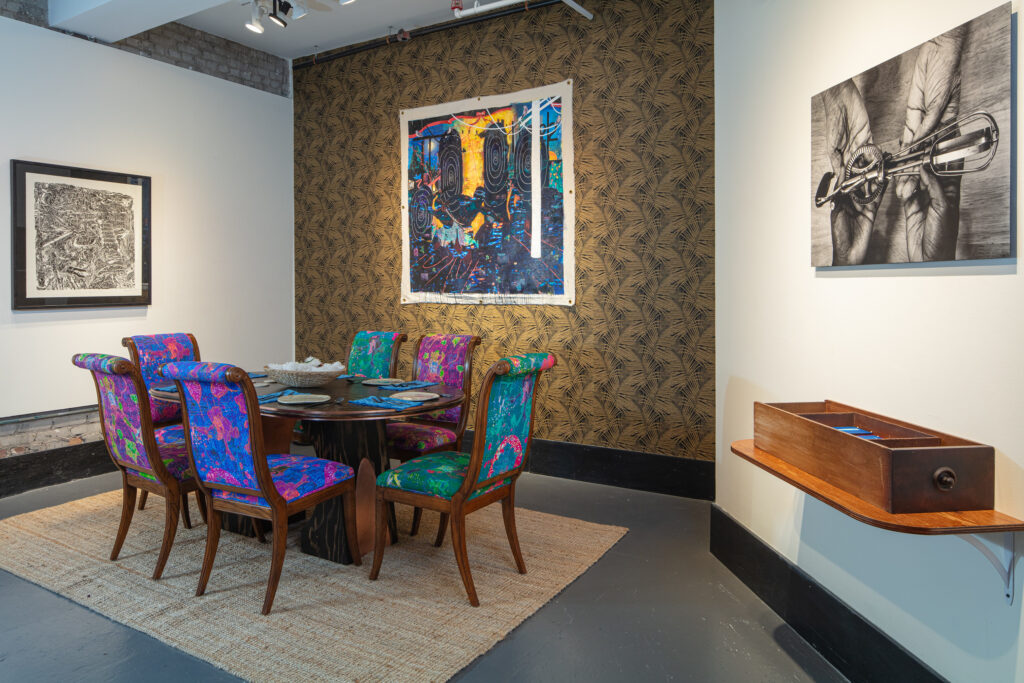
The exhibition recreates Lee-Johnson’s childhood home in Baltimore: Entryway, Dining Room, Living Room, Kid’s Room. It’s a home filled with the physical— paintings, prints, sculptures, textiles, photos, books, records, cassettes, toys — as well as the spiritual. Sayings pop up that may remind you of your own childhood home (Warnings not to sit on any furniture devoid of plastic covers returned me sharply to my childhood). However, there is no point in becoming too comfortable with the nostalgia — nostalgia and the experience of being moved by what’s right there in front of you, do not really belong together, particularly when art reaches out to sit you down and tell you a complicated story.
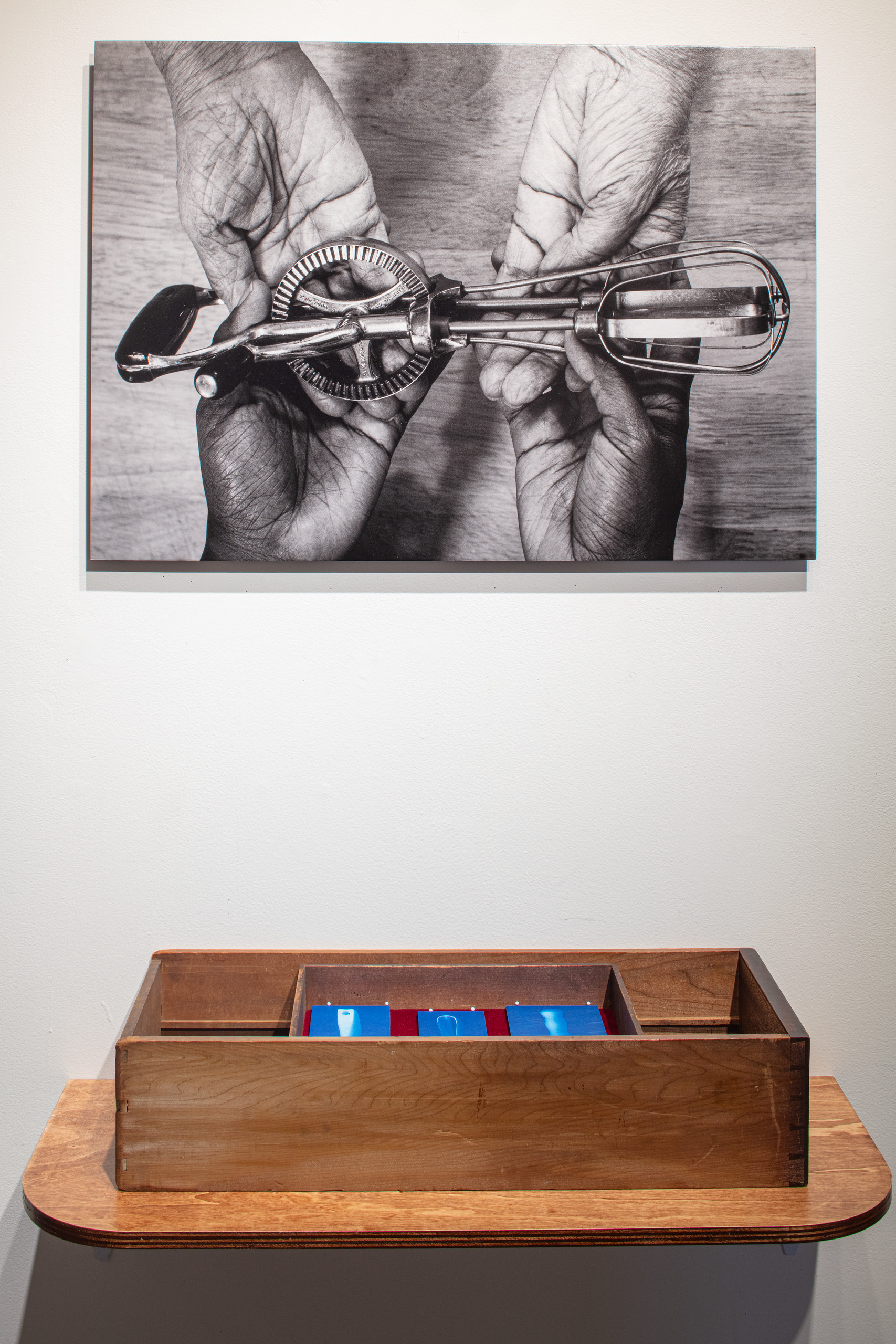
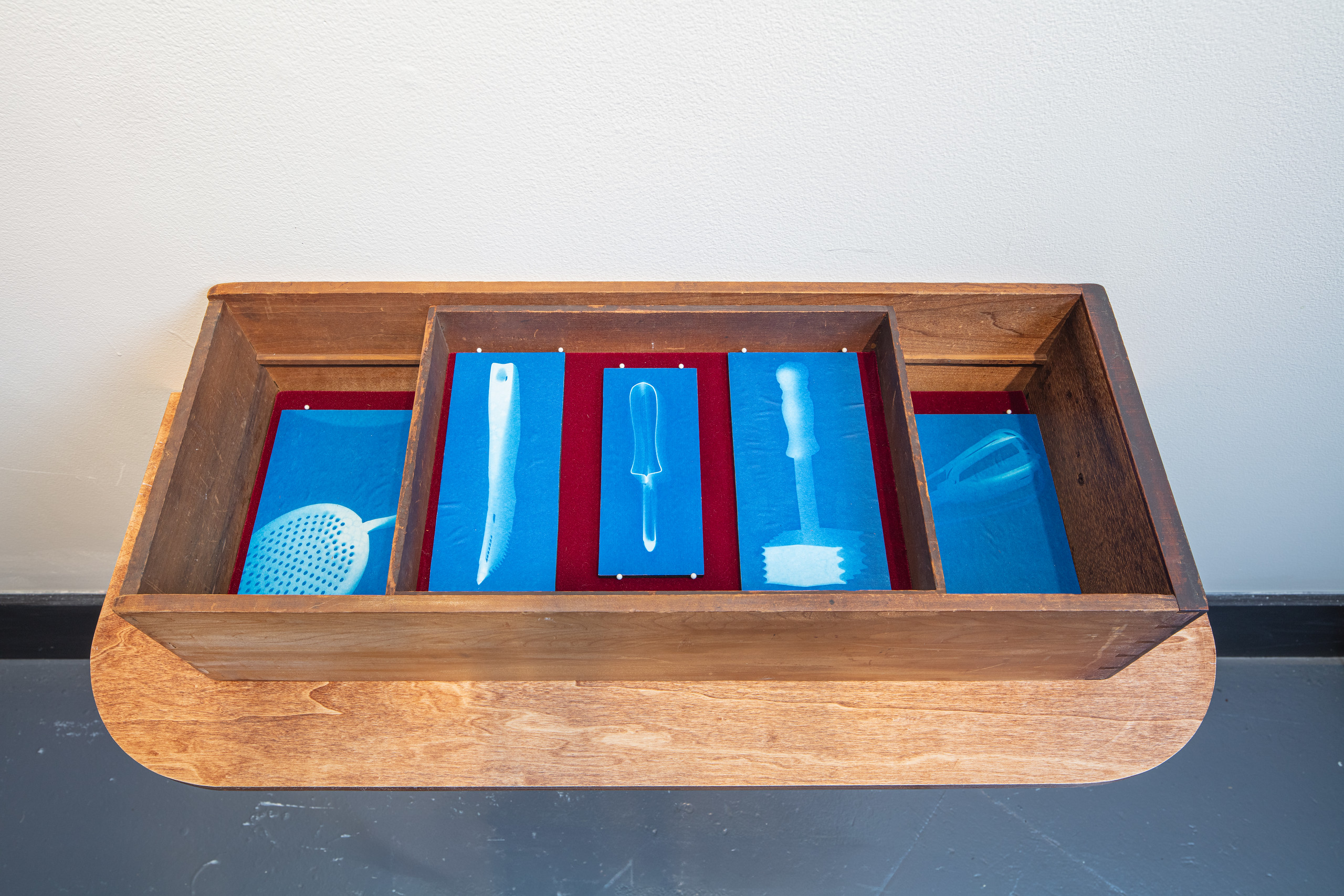
Walking through, room by room, there are objects that will stir memories: the ephemera of photos, books, and records, little seascapes and big wall plaques, wallpaper that reminds you of mama or grandma or an alternate matriarch like the Black matriarchs that were Lee-Johnson’s ancestors, furniture and kitchen objects that maybe haven’t been seen for ages but that waken your own flashbacks like Davis’s sculpture, inheritance archive.
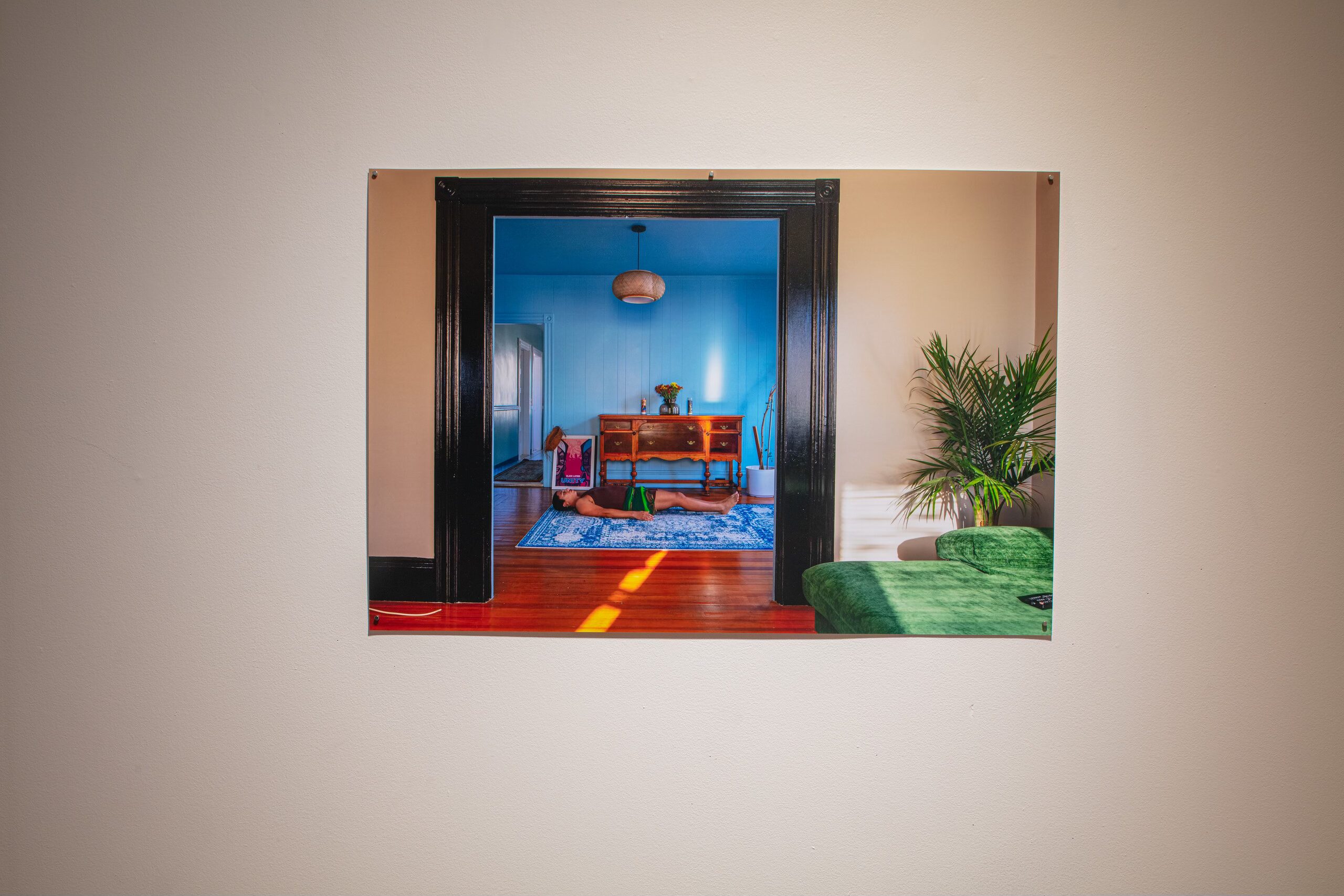
Sindayiganza’s photo, Home come: Taliq, in the Living Room examines the thresholds of a space. It reminds visitors to stop for a moment and really see. The central actor in the photo emanates a sense of calm that sets the tone as we face past, present, and future throughout the exhibition; each threshold to a room in Lee-Johnson’s home is an entry point. There is much to share in these common spaces but there are specificities too that shed light on the residents of this home. Enter the kid’s room, and for some visitors it may require a closer look to notice that this “Ken-like” doll is Black. The board games and video games and books have Black characters, reflecting the experiences of the child pouring over them in their bedroom.
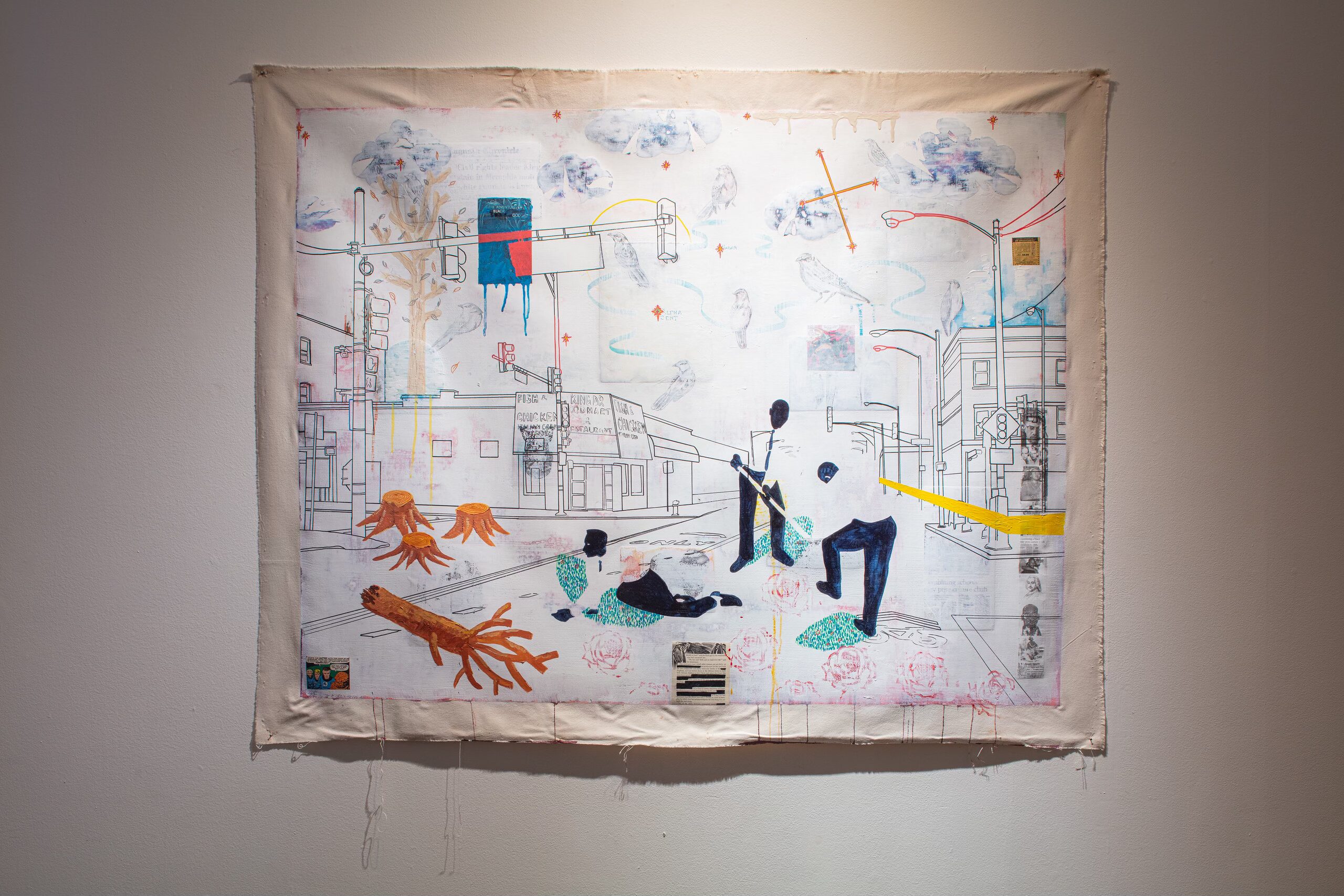
Seaberry’s Broken Windows Part 2, also in the kid’s room, is big and unstretched, soft and borderless. Without the stretchers’ edges, it is blurry and only slowly startling. We are again forced to work our way through multiple layers of visual narrative: comics and newsprint, photos and flowers overlaid with paint. With all, still a sense of whimsy or is it mystery?
As we move through the rooms: past the Kid’s Room now and into the Living Room we can picture, almost breathe in, the favorite flowers (Mama’s Flowers) silkscreened on the couch for her mother. The couch bears witness to Mary Denise Lee’s attention to the details that make a home a home and not simply a space. So too the Memory Portals, which are tall shelving units filled with things. And on the wall, there is Lee-Johnson’s Contraband series of three layered prints bursting with color but telling the grim story of slavery’s metamorphosis into present day oppression, violence, and the carceral system.
The Dining Room stands ready, the table set for family and company. But sometimes a come-together celebration is a funeral repast, a celebration of family, but family lost, family mourned, the chairs upholstered with Lee-Johnson’s silkscreened riot of colors and shapes, balloons at a street memorial, mingled with reminders of gun violence and family deaths. Still a gathering.
The visitor, on closer examination of much of the art on the walls is confronted with renderings and bridges to the terrible stories of the involuntary journey of countless Black Americans, not home but away from home. In the dining room, Seaberry’s A Key into the Language of America “is an optical tale of the dance…that is navigating Black life in an antiblack world…. And it is understanding this, that to be Black in a world that is antiblack is to be on the run, that is one key among many into the language of America,” says Chris Roberts.
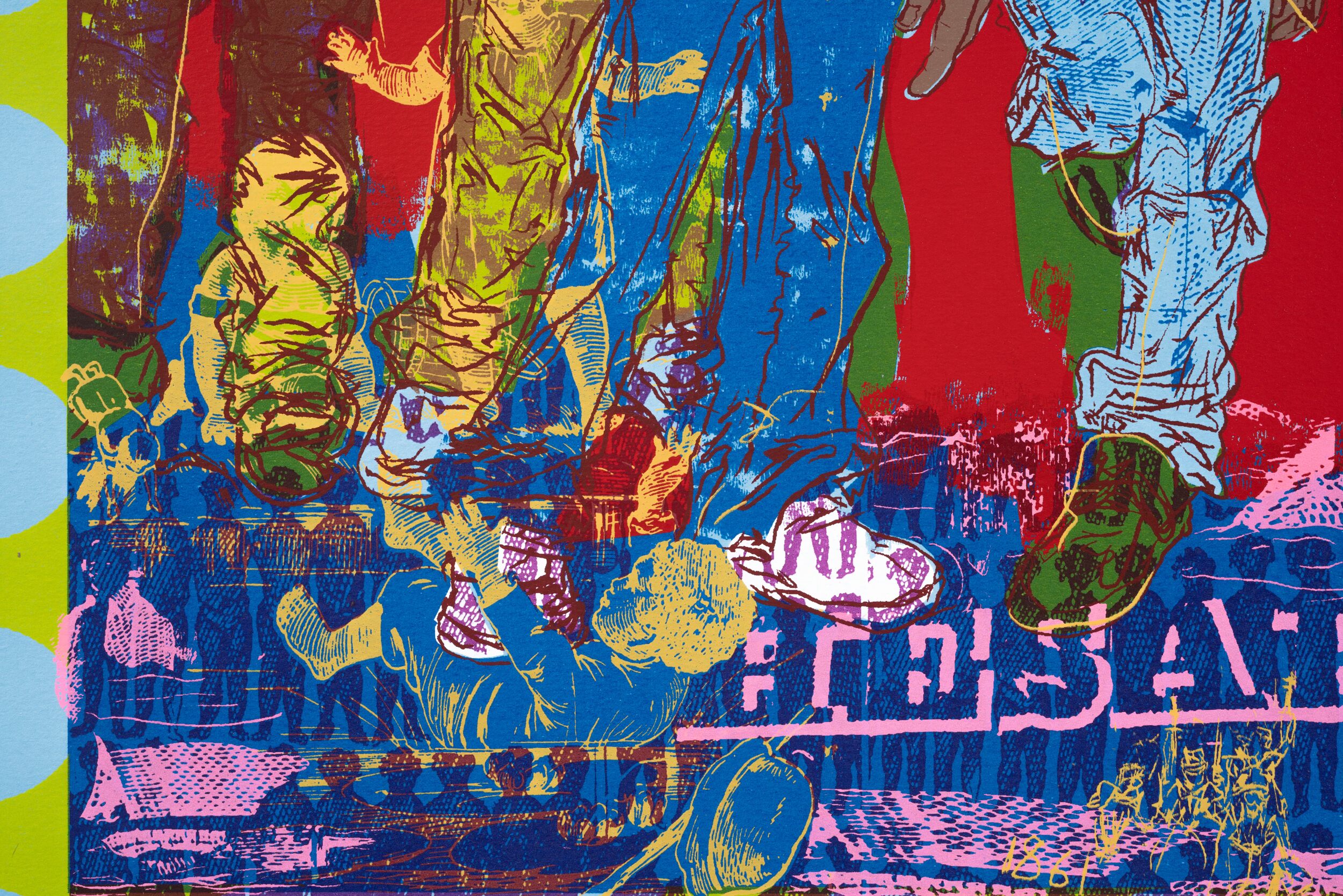
Lee-Johnson’s Study of the Slave Gun Cycle seems in conversation with Seaberry and Davis and goes the logical next step to visually reckon with history into the present day. Condemned to a cycle born of profiting off of the exchange of people for guns, guns are still killing Blacks in America. Roberts speaks to this, saying “At the same time, one’s potential is not automatically foreclosed, as…shown in the artwork, while they are moments rife with tragedy, there exists in them the impulses of memory and ritual, through which new portals may emerge. The cycle is devastating, and there is no way around it. We must confront it if we are ever to move through it.”
On entering the exhibit, there is a little corner, The Entry Way, containing memories of Mary Denise Lee, Lee-Johnson’s mother. The show is dedicated to her: a dancer, a community activist, a teacher, a spirit to be reckoned with. Just as home is the heart of the exhibit, she is the heart of the artist – and very much a presence throughout.
Go ‘Head, Fix You A Plate is running through September 27. For more information, visit AS220’s website. For more about the artists, check them out on their social media: @jazzmenleejohnson, @jordanseaberry, @bdavissynergy, and @sindayiganza.
Carole Saltz is a transplant from NYC. Director Emerita of Teachers College Press at Columbia University, she retired after 35 years in 2019. She arrived in PVD four years ago and has been learning about her adopted city ever since. Once she accepted that she had failed retirement, she relaxed and happily began editing the PVD Eye. She also enjoys her grandsons,’ Leroy 6+ and Bruce 1+, husband Steve, daughter-in-law Jenny, and son Sam.


Want to comment? Click!